All Categories
Featured
AI systems count on large amounts of data to learn and make accurate predictions or suggestions. Work carefully with your IT department to evaluate your data readiness. Assess the availability, quality, and compatibility of your data across various systems. Guarantee proper data governance, security, and compliance procedures remain in location to support AI integration.
Work together with IT professionals to assess various AI platforms, tools, and solutions that align with your objectives. Prior to implementing AI on a big scale, it is recommended to pilot and test the innovation in a regulated environment.

This pilot stage permits fine-tuning and adjustments before major implementation. Use the competence of contact center supervisors and IT experts to monitor and analyze the pilot's outcomes. Carrying out AI in customer support involves substantial changes for both customers and employees. Develop a thorough change management strategy that addresses communication, training, and assistance requirements.
Collaborate carefully with your IT department or AI vendor to seamlessly integrate the technology into your existing systems. Guarantee correct information connectivity, system compatibility, and security procedures are in location.
Legacy Infrastructure Versus Modern AI-Cloud Paradigms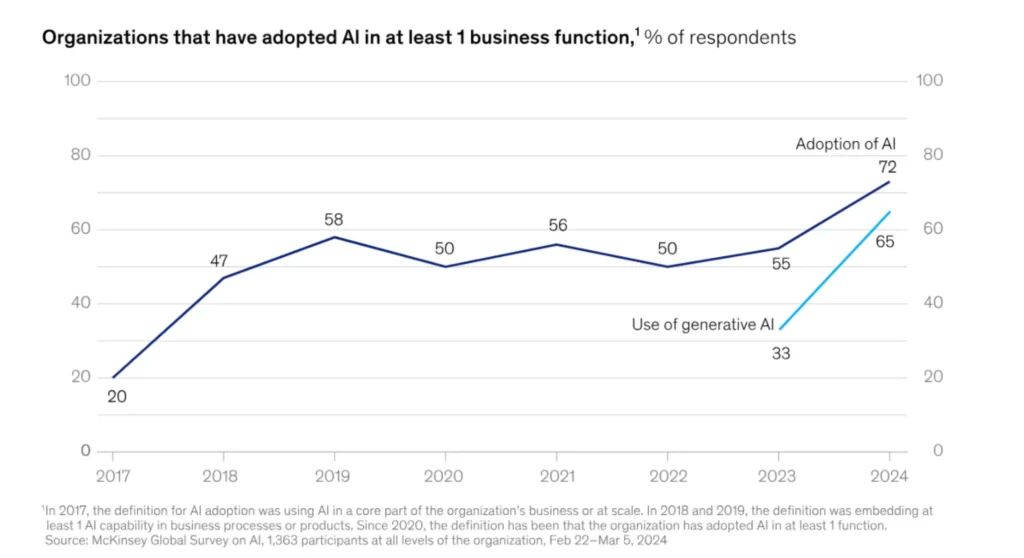
Throughout the AI adoption process, carefully monitor and analyze crucial performance indications (KPIs) associated to client service. Track metrics such as reaction time, very first contact resolution rate, client complete satisfaction ratings, and agent efficiency. By comparing pre and post-implementation data, you can examine the effect of AI on these metrics and identify locations for improvement.

Latest Posts
Maximizing Performance Through Next-Gen Digital Architectures
Maximizing Enterprise ROI Through Modern Modernization
Empowering Organizational Change Through Strategic Adoption Roadmaps