All Categories
Featured
Table of Contents
Digitalization goes one step further and focuses on improving company processes using digital workflows. Digital Improvement incorporates both digitization and digitalization along with business and people aspects.
Standard IT projects require heavy capital investments. Setting-up on-premise infrastructure also requires employing IT resources which is an additional operational expenditure. Many business still consider digital financial investments as operational expenditures instead of transformative efforts. Since it is challenging to predict ROI for big digital projects, magnate might be averse to starting.
Transformational tasks might need modifications in the company models, work environment characteristics, and running procedures. An understanding that possible IT solutions may not provide the necessary versatility is one of the reasons digital improvement efforts fail to remove. Cloud technologies are becoming the bedrock of change techniques for contemporary companies.
Cloud platforms are usually offered on a regular monthly or yearly per-user subscription basis. The cloud service supplier manages the servers, network parts, and application updates in the background.
Legacy Infrastructure Versus Modern AI-Cloud Paradigms
IT teams can instantaneously increase or reduce storage and computing capabilities based on enterprise needs. You can also set up and tailor these workflows for policies and designs particular to your service.
Business users can usually deal with these on their own. Per a recent Deloitte Insights survey of more than 500 IT leaders, 58% of participants ranked information security as the No. 1 or 2 reason for moving to the cloud. Modern cloud services use the latest security protocols at every layer, from hardware and os to application and user levels.
Enterprises save on upfront financial investments and IT workers expenses and likewise prevent overprovisioning. It lowers the monetary threat involved in digital transformation tasks and helps protected management buy-in. You can keep an eye on for effective adoption and beneficial company results before scaling cloud applications to a business level. This measured approach and the versatility to scale down as needed, has a direct favorable effect on the organizational bottom line in the long run.
Cloud facilities has actually likewise made the requisite computing power and analytical models accessible to enterprises of all sizes without heavy in advance investments. Expert System (AI) driven analytical models, visual control panels, and automated reports help develop service techniques based on data. It is the trademark of an organization on a digital change journey.
Based upon the level of versatility and control you require, you can select one or a combination of them. Facilities as a Service (IaaS) uses on-demand access to IT facilities, including servers, storage, network components, and other virtual devices. It is comparable to an on-premise set in that it provides a high level of control over your infrastructure but with the included benefit of increased flexibility and scalability.
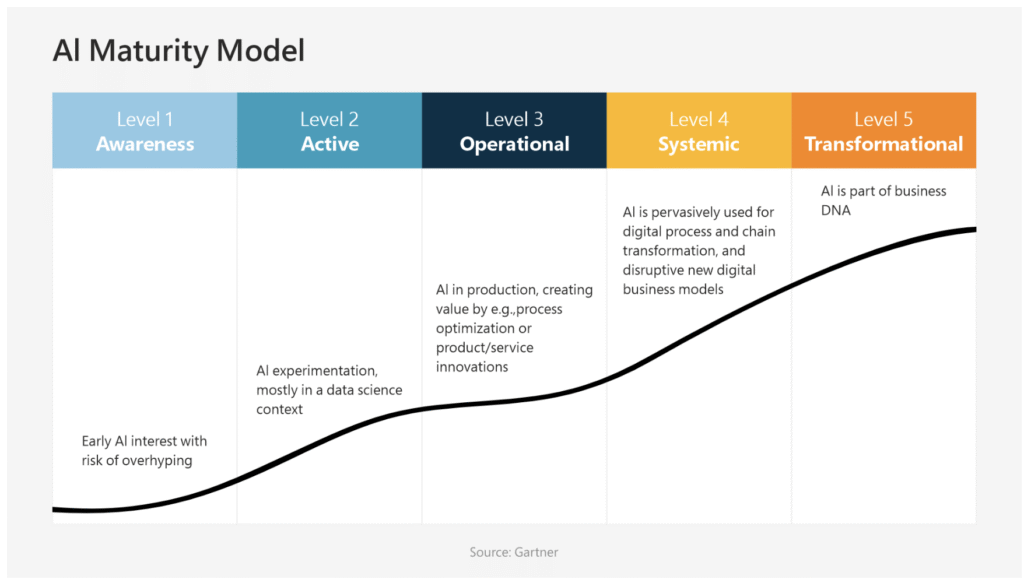
Legacy Infrastructure Versus Modern AI-Cloud Paradigms
You need not handle or preserve the underlying infrastructure. You can focus on building software according to your digital transformation requirements. Software as a Service (SaaS) offers easily deployable end-user applications available over the internet. With SaaS, you do not need to manage or keep the hardware or software application resources.
Preparing Your Business for the Digital ShiftA public cloud is a subscription-based online service that caters to multiple services. Following are the key milestones to be completed for digital change initiatives, The first action is to evaluate your company's AS-IS digital organization maturity and readiness for modification.
It lowers the monetary danger involved in digital improvement tasks and helps secure leadership buy-in. You can keep an eye on for reliable adoption and favorable business results before scaling cloud applications to an enterprise level.
Why Intelligent Cloud Synergy Matters in 2026
Cloud infrastructure has actually also made the requisite computing power and analytical designs available to enterprises of all sizes without heavy in advance investments. Expert System (AI) driven analytical models, visual control panels, and automated reports help develop service techniques based on data. It is the hallmark of an organization on a digital transformation journey.
Based on the level of flexibility and control you require, you can select one or a mix of them. Facilities as a Service (IaaS) provides on-demand access to IT infrastructure, consisting of servers, storage, network elements, and other virtual gadgets. It is comparable to an on-premise set in that it provides a high level of control over your facilities however with the included advantage of increased flexibility and scalability.
You can focus on structure software as per your digital change requirements. Software as a Service (SaaS) offers readily deployable end-user applications accessible over the web.
Preparing Your Business for the Digital ShiftFrom a network gain access to point of view, cloud models are of three types - Public, Private, and Hybrid. A private cloud serves a single business. A public cloud is a subscription-based online service that deals with numerous organizations. A mix of these two models is called a hybrid cloud. Following are the crucial milestones to be completed for digital change efforts, The primary step is to evaluate your company's AS-IS digital organization maturity and preparedness for modification.

Latest Posts
Maximizing Performance Through Next-Gen Digital Architectures
Maximizing Enterprise ROI Through Modern Modernization
Empowering Organizational Change Through Strategic Adoption Roadmaps