All Categories
Featured
Table of Contents
"Google, Amazon and Facebook all have numerous technology-related accreditations that can give trainees an upper hand on competitors when it comes time to start looking for tasks." A service technologist is a senior-level professional who is accountable for making sure organizations invest sensibly in innovations. These experts consider the existing tech landscape of an organization, determine requirements that can be resolved with technology and manage the execution of this innovation.
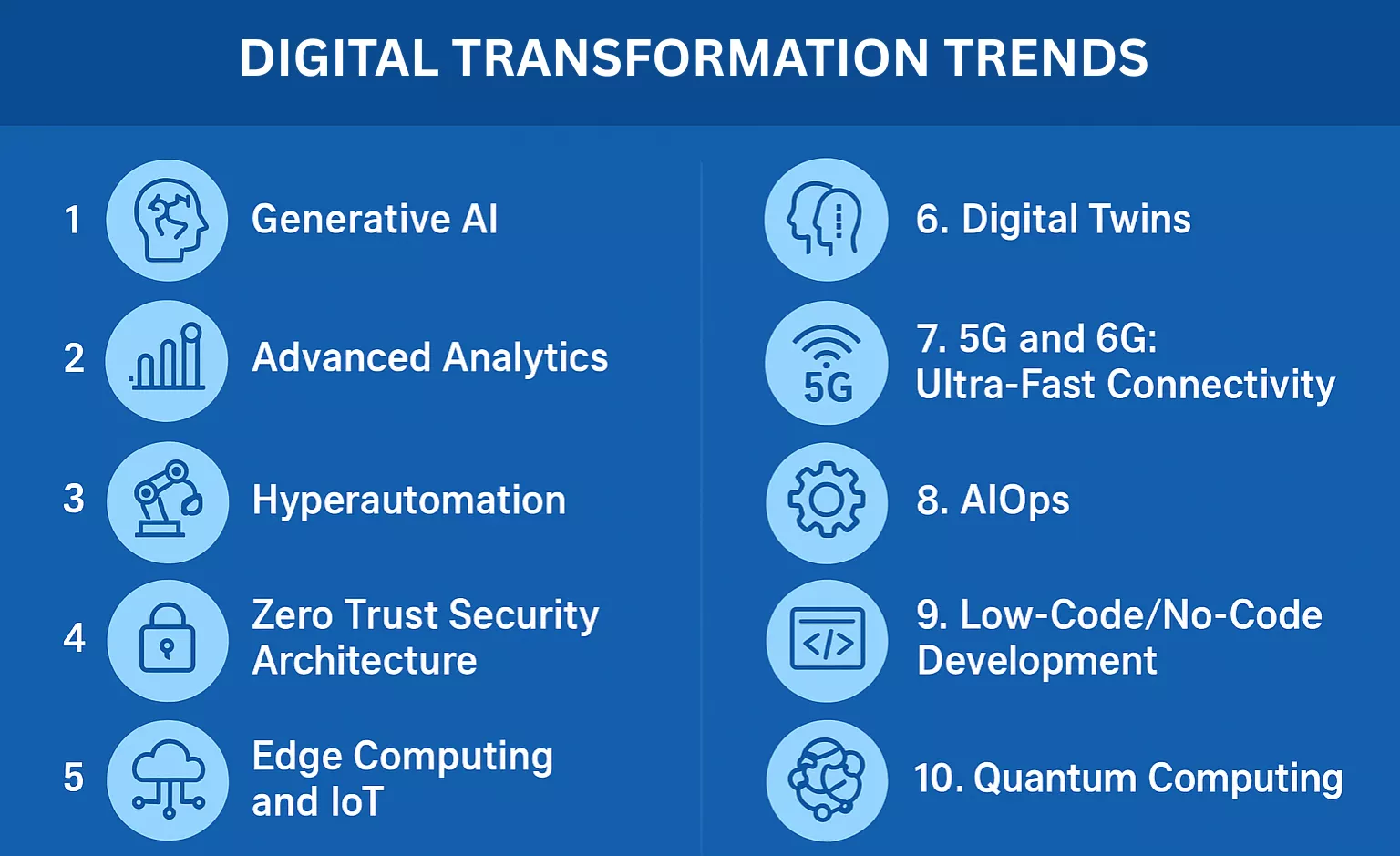
"I now work throughout multiple software platforms, assisting companies to develop their own business management services," Munro says."A company technologist role does exist quite commonly however primarily in a very particular specialized or with another title," Munro says. "Other similar titles include company expert or a services designer." "The BYOD trend has actually actually been progressing very quick in the work environment during the last few years," says Carlos Rodrigo Montagner, IT executive at Merial.
"So it takes some effort for IT departments to arrange that, develop rules and to guarantee information stability throughout the organizations." Montagner states companies are changing with stronger network security infrastructure and compliance requirements for personal gadgets. "The broad adoption of big information is making business way more effective at finding and reaching their target audiences," says Pierre de Braux, content strategist at Spiralytics.
Traditional Infrastructure Versus Modern AI-Cloud ParadigmsBig data doesn't always fix a specific issue; it makes us much better problem solvers in general."The more businesses make use of data to enhance, the more information they want.
"The evolution of service technology is producing new tasks, new industries and new function specializations, so it assists to stay up to date with the patterns." Discovering these big patterns in service technology is an outstanding way to keep yourself competitive in both organization and technology environments. Much of these changes and trends in organization innovation present a solid opportunity for skilled specialists to step in and flourish.
Driving High Growth Using Modern Cloud Platforms
Want to find out more about a few of the positions poised for success in a digital economy? Have a look at our short article, ".".
As we navigate April 2026, the fundamental aspects of digital infrastructure have moved. We are no longer simply "transferring to the cloud"; we are orchestrating a complex web of autonomous systems and dispersed intelligence. The "innovation flywheel" is spinning faster than everbetter innovation leads to more data, which attracts more financial investment, further speeding up facilities development.
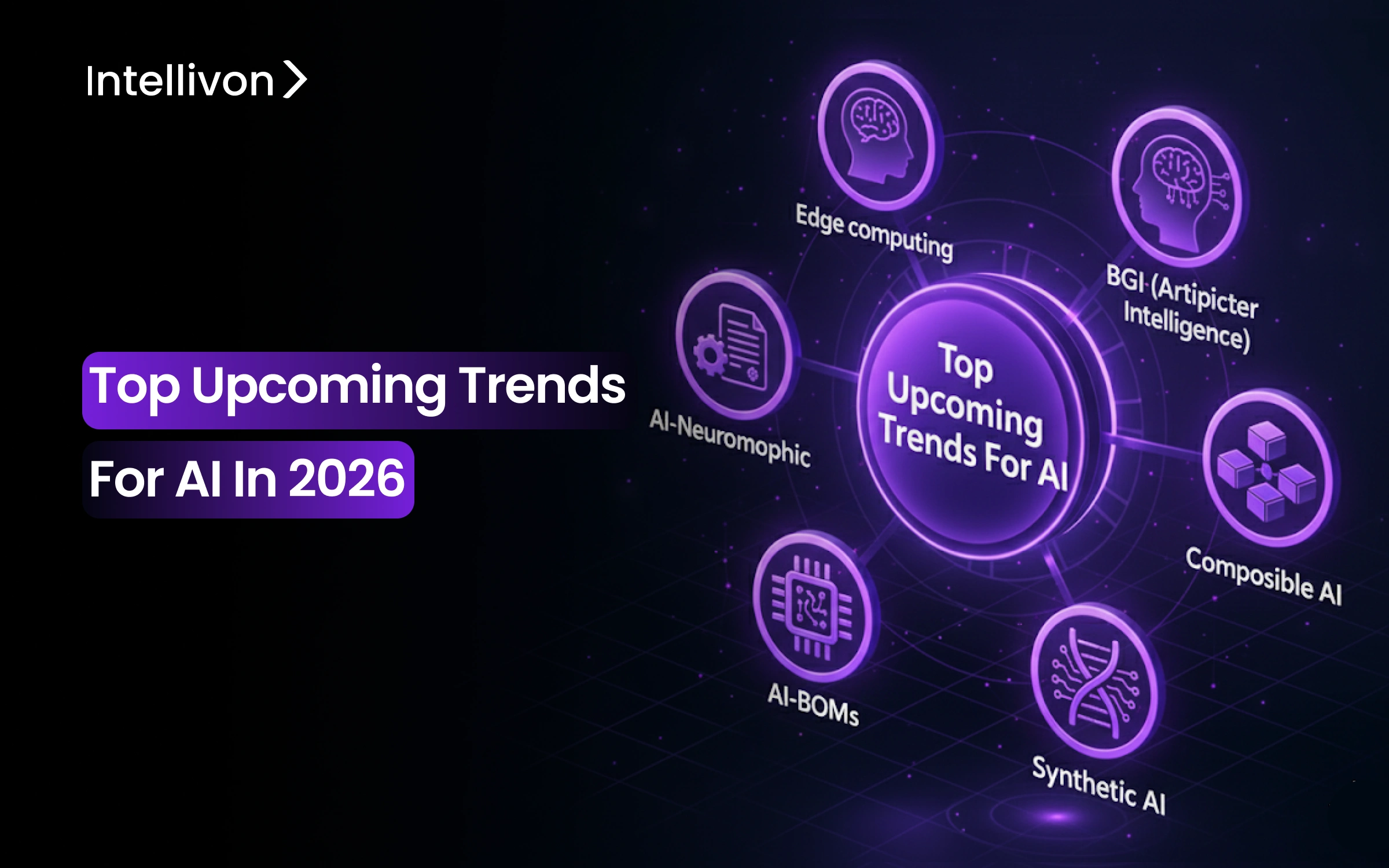
For large-scale business, this velocity requires a brand-new approach to digital exposure. Browse engines are no longer just indexing text; they are indexing the abilities of these autonomous systems. As a result, the intersection of future company tech and search presence has actually become the primary battleground for market share. At the heart of this shift is the move from General-Purpose AI to specialized, effective models.
This shift is crucial for SEO methods that carry out well for big business. By releasing SLMs to audit and fine-tune internal data structures, business can ensure that their digital footprint is optimized for both human users and the AI-driven crawlers that now control the search landscape.
Unlike standard chatbots that wait for a prompt, AI agents are goal-oriented. They do not simply "chat"; they do. An agent can be offered a top-level objective"Optimize our Q3 supply chain for expense"and it will autonomously examine vendors, work out prices, and update stock logs, only requesting human approval at vital choice points.
Traditional Infrastructure Versus Modern AI-Cloud ParadigmsTransforming Data Platforms for the Digital Age
For a business with a million-page website, manual auditing is difficult. Moving from pilot to production remains a hurdle.
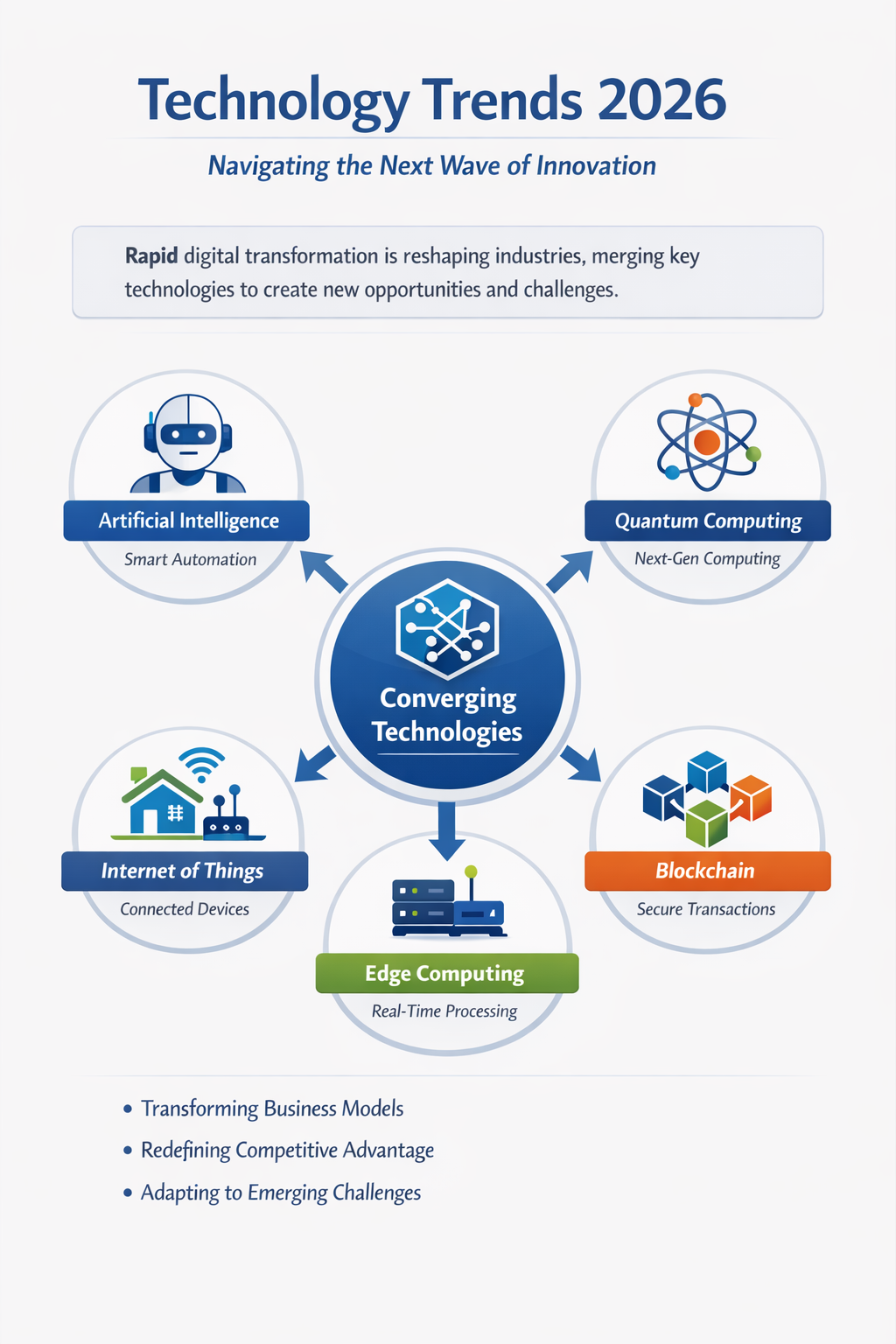
To prosper, we must participate in a total ai driven automation strategy that revamps the workflow from the ground up. According to Gartner's Leading Strategic Technology Trends for 2026, these multiagent systems will become the "silicon labor force" that handles routine operations, enabling human beings to concentrate on high-level method. This method must consist of a robust SEO component, as the presence of these automated services determines their supreme energy in a competitive market.
For smaller sized companies, "Robotics-as-a-Service" (RaaS) models have made this technology available without huge upfront capital. By incorporating ai powered analytics, these devices do not simply move boxesthey predict maintenance needs and enhance paths in real-time. This isn't just about changing labor; it's about attaining a functional effect that was physically impossible for human beings alone.
To power these AI "brains" and robotic "bodies," the underlying skeleton of businessIT infrastructurehas needed to progress. Worldwide cloud costs has hit a massive $1.3 trillion, but the trend isn't just "all-in" on public cloud. Instead, we are seeing the dominance of and. For big companies, infrastructure speed is a direct ranking element.
Unlocking High Growth Using Modern AI Platforms
HCI integrates compute, storage, and networking into a single software-defined platform. This allows services to have the agility of the cloud with the security and "immediacy" of on-premises hardware.
Looking towards the end of the years, the landscape ends up being much more decentralized and sustainable. We are moving away from the "relocation fast and break things" period into a period of "relocation quickly and sustain things." This shift is particularly evident in how large companies manage their digital presence. SEO is no longer a siloed marketing function; it is a core part of the business technology stack, needing deep integration with information science and infrastructure teams.
Unlike smaller sized websites, enterprise websites often handle countless URLs, intricate internationalization, and tradition subdomains. To carry out well, these companies must focus on three important pillars: Programmatic SEO, Technical Crawl Effectiveness, and E-E-A-T (Experience, Expertise, Authoritativeness, and Trustworthiness) at scale. involves using data-driven design templates to develop top quality, useful pages for thousands of long-tail search inquiries.
The secret is ensuring that these pages provide genuine worth and are not simply "doorway pages," which online search engine now penalize heavily. By leveraging the SLMs mentioned earlier, big business can create distinct, contextually pertinent content for these pages that satisfies both user intent and search algorithms. is the second pillar.
Traditional Systems Vs Modern Cloud
Future-ready enterprises use innovative server-side making and edge SEO to deliver pre-rendered pages to bots, making sure that every second of crawl time is invested in revenue-generating material. Executing a robust internal linking structure utilizing AI-driven suggestions can help disperse "link equity" more efficiently throughout a massive domain. needs a central approach to brand name authority.

Latest Posts
Maximizing Performance Through Next-Gen Digital Architectures
Maximizing Enterprise ROI Through Modern Modernization
Empowering Organizational Change Through Strategic Adoption Roadmaps